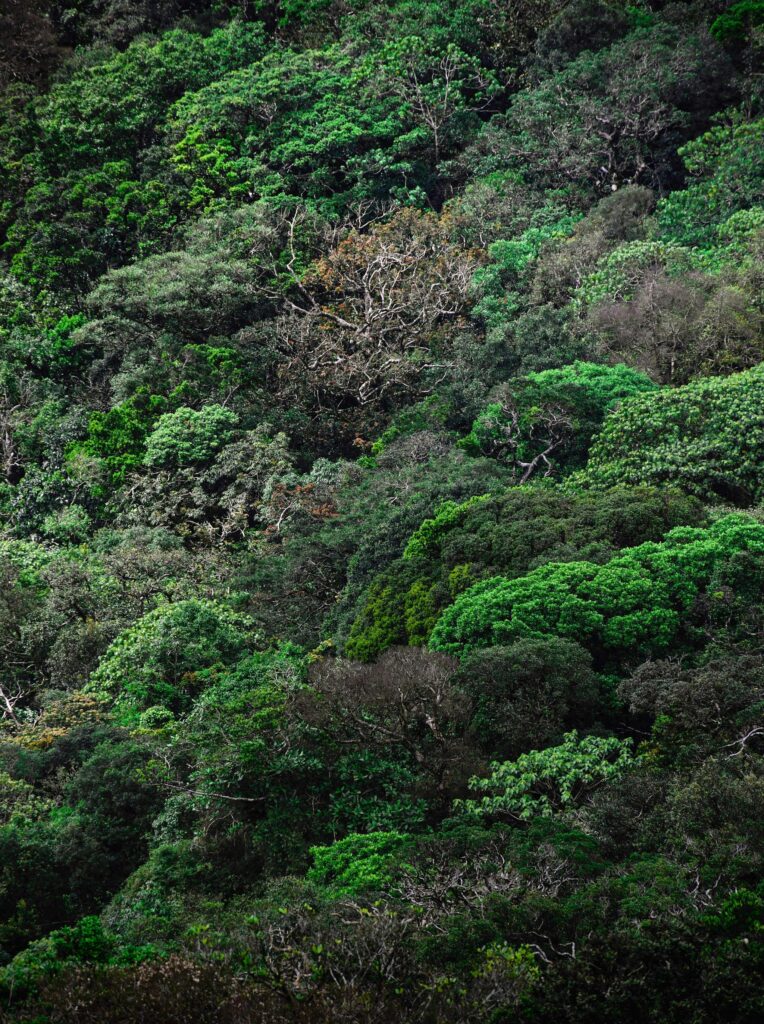
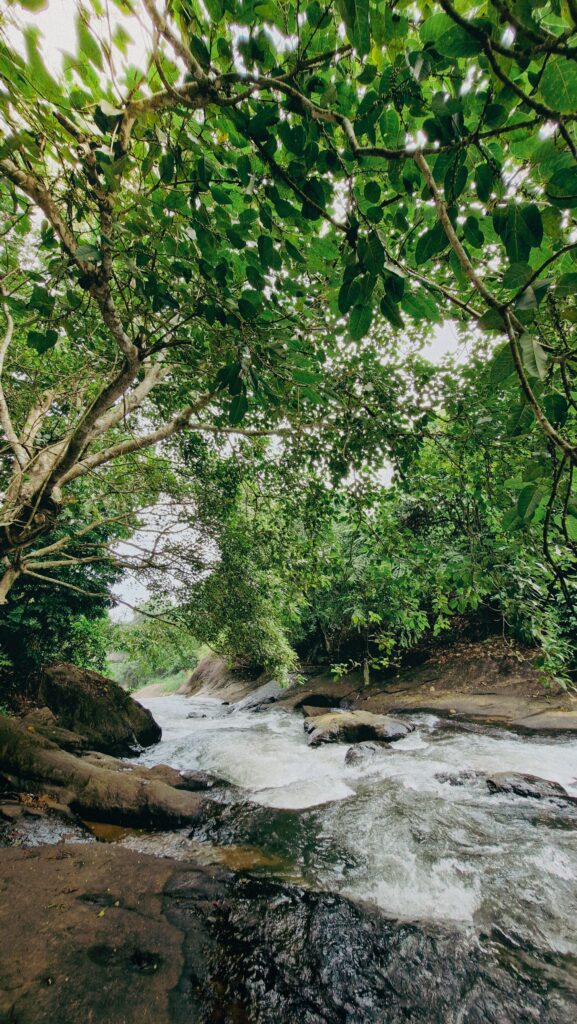
Gal Oya National Park is one of Sri Lankas untouched areas. It offers a wilderness experience far from the tourist crowds on the coast.
The park is in the interior of Sri Lanka. It surrounds the Senanayake Samudra reservoir, which’s the countrys largest inland body of water.
This place is great for travelers who care about the environment, birdwatchers and adventure seekers. They can see landscapes, unique wildlife and indigenous cultures in their natural state.
The Legendary Swimming Elephants and Wildlife
Visiting Gal Oya is famous for seeing elephants swim in the Senanayake Samudra.
During the season big groups of Asian elephants cross the reservoir. They paddle across the water to eat on the isolated islands.
The park also protects different kinds of animals. These include the Sri Lankan leopard, sloth bears, water buffaloes and three kinds of monkeys.
People who love birds will enjoy the reservoir area. Many birds live there like bellied sea eagles and kingfishers.
Immersive Cultural Encounters with the Veddha
Gal Oya lets visitors meet the Veddha community. They are the people who live in the forest in Sri Lanka.
Visitors can take a walk in the jungle with the village chief. The chief shares knowledge that has been passed down for generations.
During these walks visitors learn about survival techniques and traditional tracking methods. They also learn about the uses of forest plants and cave-dwelling art.
This is a chance to see a way of life that has been in harmony with nature for thousands of years.
Active Adventures and Scenic Treks
For people who like to be active Gal Oya offers opportunities for exploration.
One of the famous hikes is up Monkey Mountain. It has a rocky terrain and a great view at the top.
The park also offers boat safaris. This is different from jeep drives and lets visitors see animals quietly.
Visitors can also go on guided night walks to spot creatures.
Essential Travel Planning and Best Times to Visit
Getting to Gal Oya takes a time. It is six to seven hours by car from Colombo or three hours from Arugam Bay.
The best time to visit is from May to September. The dry weather makes it easier to see wildlife.
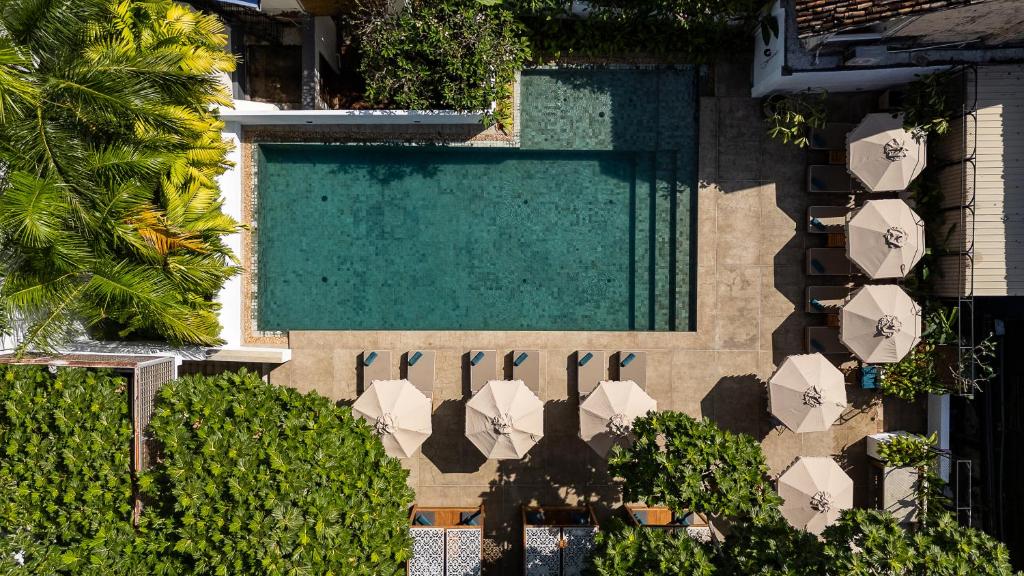
There are accommodation options, mostly eco-lodges and glamping tents. Visitors should book these in advance.
They should also pack the gear like hiking boots, binoculars and insect repellent.